What Homeowners Need to Know About Asbestos
Article Summary:
If you own a home - especially one built before the 1980s - you may have heard concerns about asbestos. But what is it, why does it matter, and what should you do if you think it’s in your home?If you own a home - especially one built before the 1980s - you may have heard concerns about asbestos. But what is it, why does it matter, and what should you do if you think it’s in your home?
At Vivid Home Inspections, we believe informed homeowners make safer decisions. Here's a clear, no-panic guide to understanding asbestos and what it means for your home.
What Is Asbestos?
Asbestos is a naturally occurring mineral fiber that was once widely used in construction because it’s strong, heat-resistant, and fireproof. It was added to insulation, flooring, siding, and more.
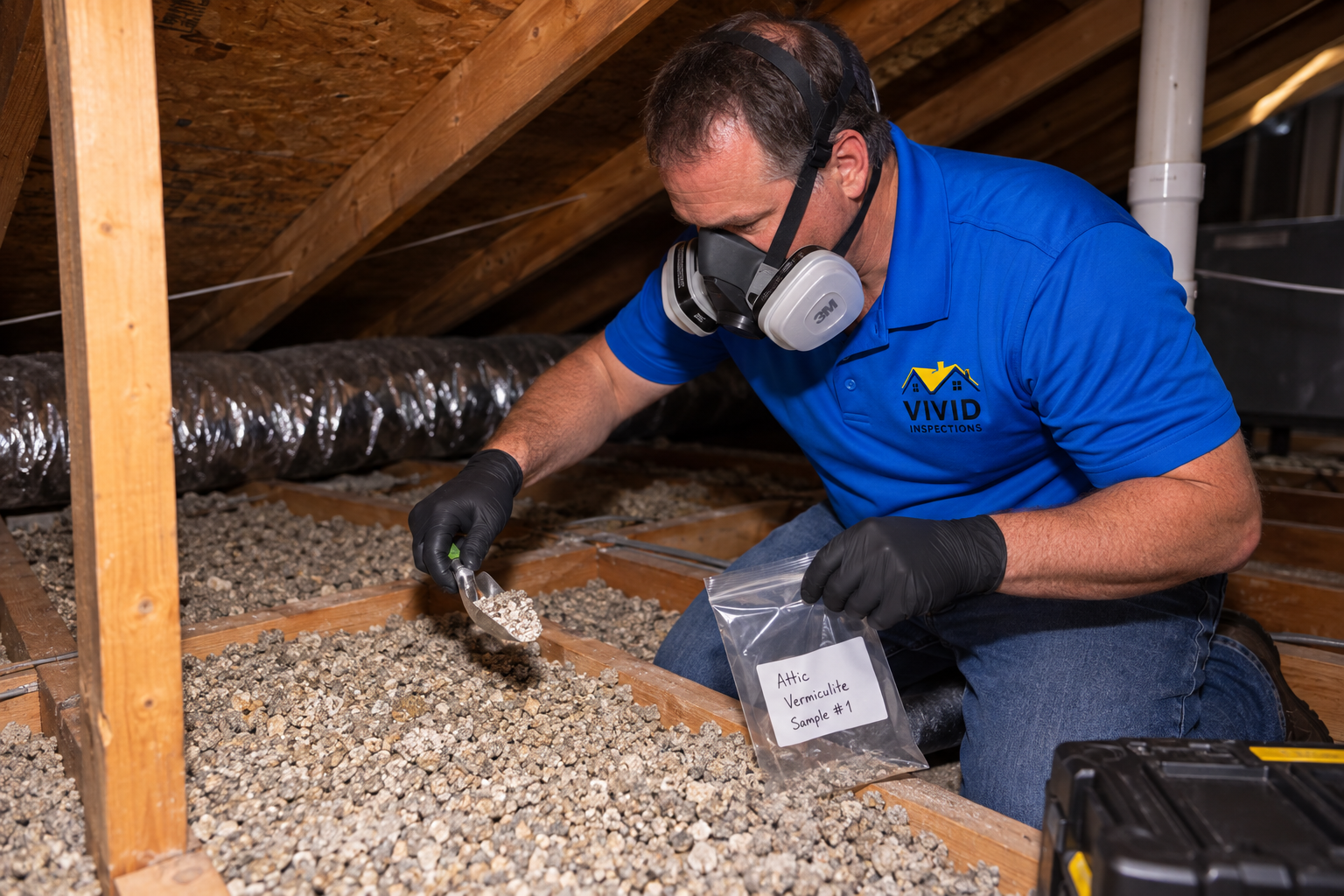
You can’t identify asbestos just by looking - it takes lab testing with a special microscope. So even if you suspect it, you won't know for sure without professional help.
Why Is Asbestos a Concern?
When asbestos-containing materials are intact and undisturbed, they’re usually not a threat. The danger comes when the fibers are released into the air and inhaled. Long-term exposure has been linked to serious health issues, including:
Lung cancer
Mesothelioma (a rare cancer of the chest or abdomen)
Asbestosis (scarring of lung tissue)
These illnesses often develop 20 to 30 years after exposure. While the risk is highest for people exposed in workplaces like shipyards or factories, disturbing asbestos during home renovations can also be dangerous, especially if the material is damaged.
Where Might Asbestos Be Hiding in Your Home?
If your home was built before the 1980s, it may contain asbestos in areas like:
Insulation on steam pipes, boilers, or ducts
Vinyl floor tiles and adhesives
Cement sheets and insulation boards
Textured ceilings and wall materials (especially pre-1977)
Roofing and siding shingles
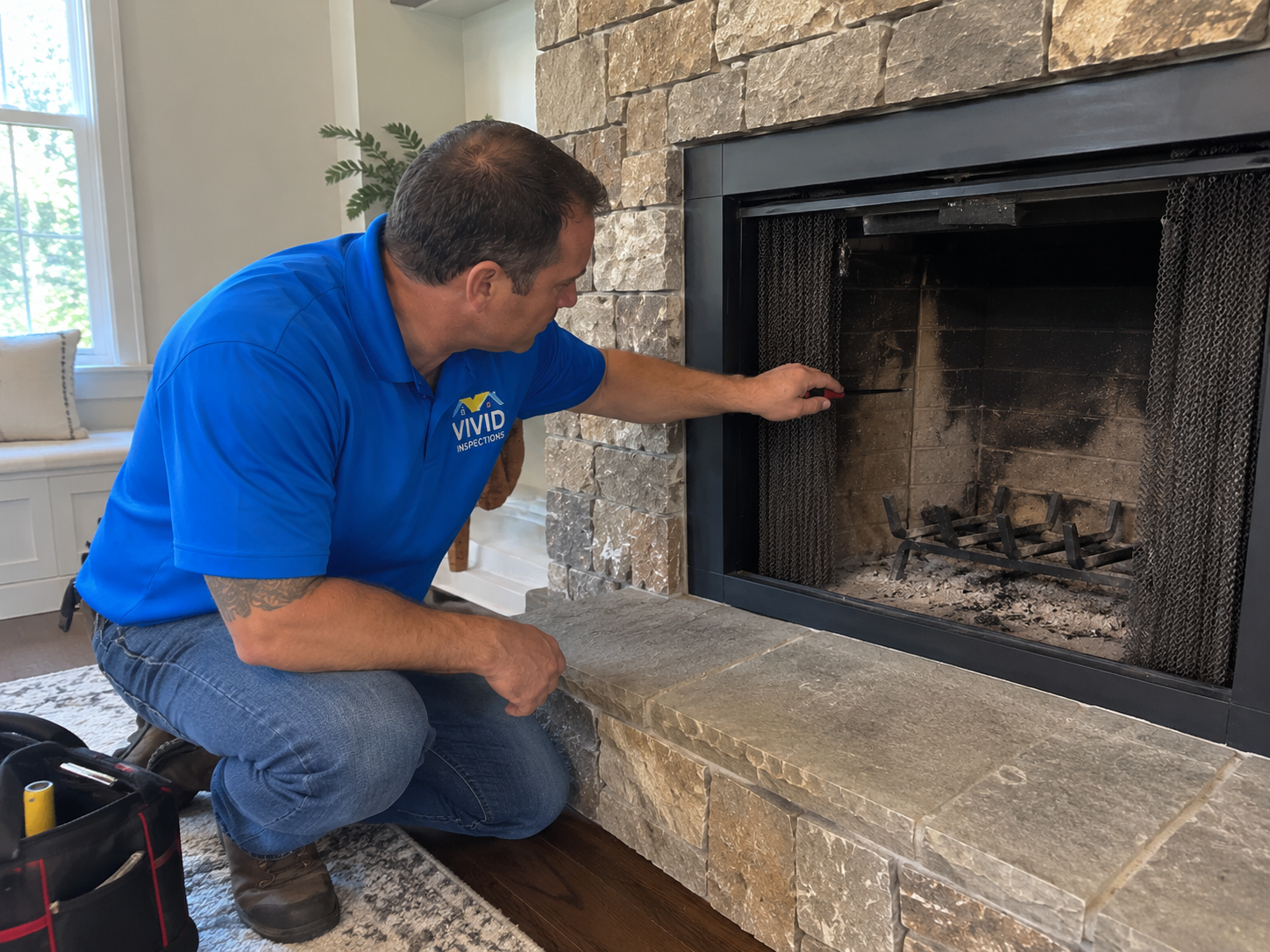
Door gaskets in wood or coal stoves
Spray-on insulation and decorative finishes
Asbestos doesn’t always need to be removed - but it’s important to know where it might be and how to manage it safely.
What Should You Do If You Suspect Asbestos?
Don’t panic - and don’t disturb it. Often, the safest option is to leave it alone, especially if it's in good condition. If you’re planning a renovation or if you notice signs of wear (like crumbling or fraying), it’s time to call in a professional.
Pro tip: Never try to remove asbestos yourself. Disturbing it improperly can release dangerous fibers and make the situation worse.
How Is Asbestos Identified?
Unfortunately, you can’t tell by sight alone. Testing must be done in a lab. If you’re concerned, treat the material as potentially hazardous and avoid disturbing it.
Testing should always be done by trained professionals. If you do attempt it yourself (not recommended), be sure to:
Keep people and pets out of the area
Shut off HVAC systems
Wet the material to reduce dust
Use gloves and disposable protective gear
Seal the sample in a labeled container and send it to an NVLAP-accredited lab
What If Asbestos Needs to Be Dealt With?
There are two main ways to handle asbestos if it poses a risk:
1. Repair (Not Removal)
Encapsulation: A sealant is applied to lock in fibers
Enclosure: Material is covered with a barrier, like a wrap or casing
Repairs should always be done by licensed professionals.
2. Removal
This is the most expensive - and risky - option. It should only be done if the material is severely damaged or will be disturbed during remodeling. Always hire trained, certified contractors.
Who Handles Asbestos?
Licensed asbestos professionals can:
Inspect and assess asbestos risk
Collect and test samples
Recommend safe solutions
Safely repair or remove asbestos-containing materials
Tip: Hire different companies for inspection and abatement to avoid a conflict of interest.
Ask for credentials, proof of training, and client references.
What to Expect from Vivid Home Inspections
If you hire us for an asbestos inspection, here’s what you’ll get:
A thorough visual inspection of your home
Clear advice on whether lab testing is needed
If asbestos is found, a detailed report outlining location, condition, and next steps
Referrals to licensed removal experts
Hiring a Removal Contractor? Read This First
Make sure the contractor:
Is licensed with a clean track record
Provides a detailed contract (including cleanup and safety procedures)
Uses proper containment, HEPA vacuums, and wet-cleaning methods
Follows all disposal rules
Keeps untrained people out of the area
Offers post-removal air quality testing
A Word of Caution
Some contractors may pressure you to remove asbestos that isn’t actually a risk. Unnecessary removal can be more dangerous and expensive than leaving it alone.
Always consult with a qualified, reputable professional, like the team at Vivid Home Inspections, before making any decisions.
Questions? We’re Here to Help.
Asbestos doesn't have to be scary. With the right knowledge and a trusted inspection team on your side, you can keep your home safe and your peace of mind intact.
Contact Vivid Home Inspections today too schedule an inspection or learn more.
Written by Brian Maute
NJ Licensed Home Inspector & InterNACHI Certified Professional Inspector
Brian Maute provides clear explanations and high-precision inspection reports for homebuyers and owners across South Jersey and Eastern PA.