Do You Need an Oil Tank Sweep When Buying a Home in New Jersey?
Article Summary:
When purchasing a home, most buyers are focused on the roof, foundation, electrical system, plumbing, and HVAC equipment. But on older properties, there may be something hidden underground that can create a much bigge...A Homebuyer’s Guide to Finding Possible Abandoned Underground Oil Tanks
When purchasing a home, most buyers are focused on the roof, foundation, electrical system, plumbing, and HVAC equipment. But on older properties, there may be something hidden underground that can create a much bigger problem: an abandoned heating oil tank.
Homes throughout New Jersey were commonly heated with fuel oil before natural gas became more widely available. When homeowners converted to gas or another heating source, some oil tanks were removed, while others were abandoned or left underground.
An oil tank sweep can help identify evidence of a potentially buried or concealed oil tank before you purchase the property.
1. What Is an Oil Tank Sweep?
An oil tank sweep is a specialized inspection performed to look for evidence of underground or concealed heating oil tanks on a property.
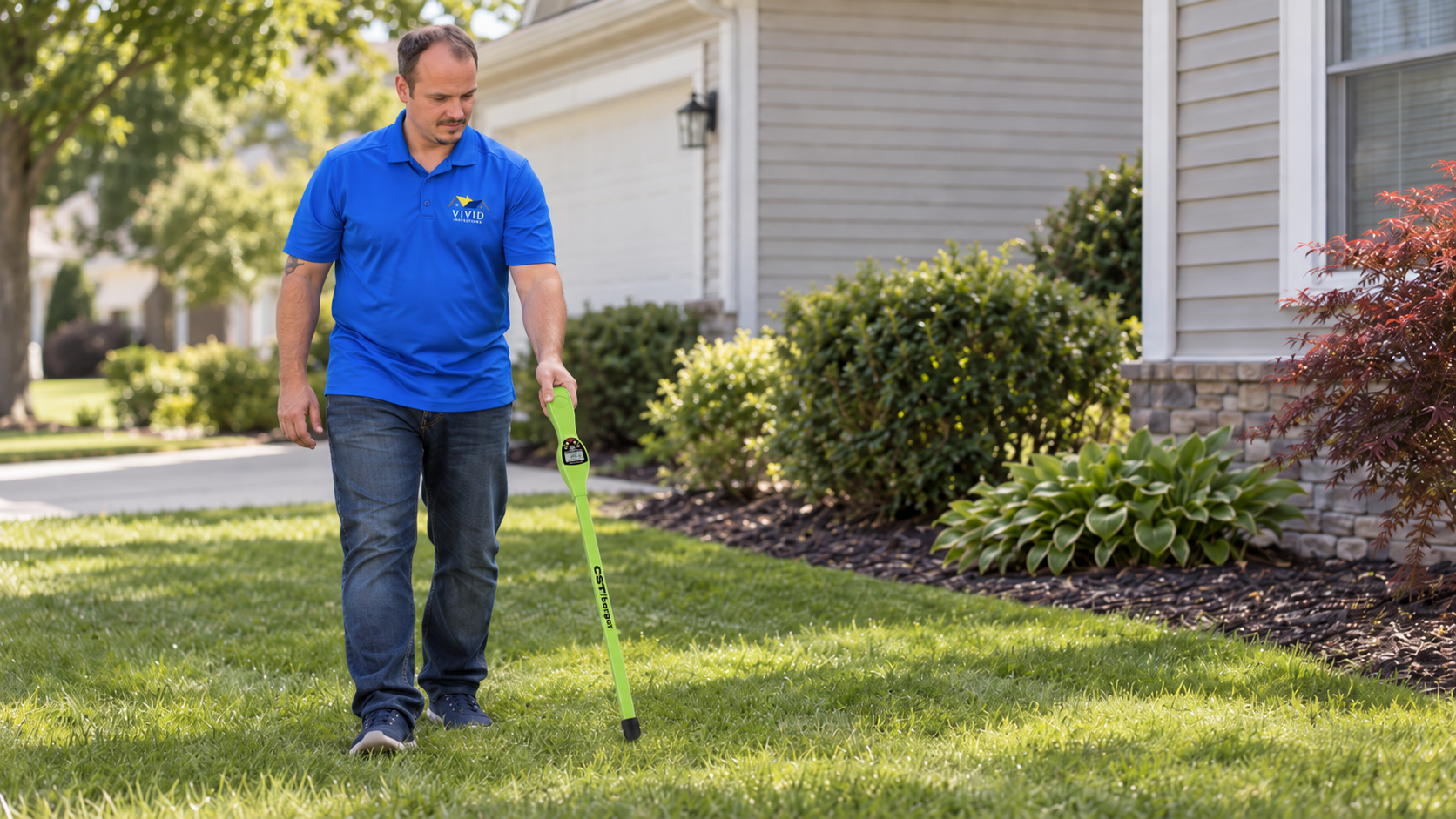
The inspector typically evaluates the property using specialized equipment designed to detect buried metallic objects. The inspection may also include looking for visible clues around the home and property that could indicate a previous oil heating system.
These clues may include:
Oil fill pipes
Vent pipes
Copper fuel lines
Abandoned heating equipment
Patches in foundation walls
Areas of disturbed soil
Evidence of a previous oil-fired furnace or boiler
The goal of the sweep is to identify areas that may require further investigation.
2. Why Are Underground Oil Tanks a Concern?
The biggest concern with an abandoned underground oil tank is the possibility of leakage.
Over time, buried steel tanks can corrode. If heating oil leaks into the surrounding soil, cleanup and remediation can become expensive.
Potential issues associated with leaking underground oil tanks can include:
Contaminated soil
Environmental cleanup costs
Excavation of the property
Tank removal expenses
Additional environmental testing
Delays during a real estate transaction
Even if a tank is no longer being used, its presence can still become an issue for the buyer.
Finding out about a possible underground tank before closing gives you more information before taking ownership of the property.
3. Which Homes Are Most Likely to Have an Old Oil Tank?
Older homes are generally more likely to have previously used heating oil.
This is especially common in established neighborhoods where homes were built before natural gas became the primary heating source.
You may want to consider an oil tank sweep if:
The home was built several decades ago
The property currently has natural gas but appears to have previously used oil
You see capped or abandoned pipes near the foundation
There is evidence of a former oil-fired furnace or boiler
The seller does not know the property's heating history
Previous documentation about tank removal is unavailable
Even when there are no obvious signs of an oil tank, a sweep can provide additional information about the property.
4. What Happens During an Oil Tank Sweep?
During the inspection, the inspector evaluates accessible areas of the property and uses specialized locating equipment to scan for buried metallic objects that could be consistent with an underground storage tank.
At Vivid Home Inspections, our oil tank sweeps also include a visual evaluation for signs of previous oil heating equipment or abandoned oil-related components.
If an area produces a suspicious response, it will be documented and further investigation may be recommended.
It is important to understand that an oil tank sweep is a screening inspection. Not every metallic object underground is an oil tank. Buried pipes, utilities, construction debris, fencing, and other metal objects can produce similar readings.
If a suspected tank is identified, additional investigation may be necessary to determine exactly what is underground.
5. Can an Oil Tank Sweep Guarantee There Is No Tank?
No inspection can provide a 100% guarantee that an underground tank does not exist.
Several conditions can affect an oil tank sweep, including:
Soil conditions
Tank depth
Tank construction
Underground utilities
Metal debris
Landscaping
Patios or hardscaping
Property access
The purpose of the inspection is to reduce uncertainty and identify conditions that may warrant additional evaluation.
For many buyers, that additional information is well worth having before purchasing the property.
6. Why Should You Do the Sweep Before Closing?
Once you purchase the home, problems associated with the property become your responsibility.
Discovering a buried oil tank after closing can create unnecessary stress and unexpected expenses.
Having the property evaluated before closing may allow you to:
Investigate suspicious findings
Request additional documentation
Ask whether a previous tank was properly removed
Obtain further environmental testing when appropriate
Better understand the property before taking ownership
The cost of an oil tank sweep is relatively small compared with the potential cost of dealing with an unknown underground tank after purchasing the home.
Final Thoughts
An underground oil tank is one of those property issues you may never know about unless someone specifically looks for it.
For buyers purchasing older homes in New Jersey, an oil tank sweep can be a valuable addition to the home inspection process.
The goal is simple: gather as much information as possible before you own the property.
At Vivid Home Inspections, we help buyers understand the home they are purchasing from the roof all the way down to what may be hidden beneath the property.
Need an oil tank sweep? Contact Vivid Home Inspections at (609) 277-0808 or schedule your inspection.
We proudly serve homebuyers throughout Cherry Hill and South Jersey, including Camden, Burlington, and Gloucester Counties.
Vivid Home Inspections
Protecting Your Home, Health, and Investment.

Written by Brian Maute
NJ Licensed Home Inspector & InterNACHI Certified Professional Inspector
Brian Maute provides clear explanations and high-precision inspection reports for homebuyers and owners across South Jersey and Eastern PA.