How to Improve Indoor Air Quality in Your Home
Article Summary:
When it comes to home safety and comfort, indoor air quality (IAQ) often gets overlooked. But studies show that the air inside your home can be significantly more polluted than the air outside, even in large cities. P...When it comes to home safety and comfort, indoor air quality (IAQ) often gets overlooked. But studies show that the air inside your home can be significantly more polluted than the air outside, even in large cities. Poor IAQ isn’t just a nuisance; it can lead to chronic health issues, especially for children, the elderly, and those with respiratory conditions.
At Vivid Home Inspections, we help homeowners recognize hidden hazards and create healthier living spaces. Here’s what you need to know about indoor air pollution and how to improve the air you breathe.
Why Indoor Air Quality Matters
If you’re like most people, you spend about 90% of your time indoors. Indoor air pollutants can be 2–5 times higher, and in some cases up to 100 times higher, than outdoor levels. Effects can range from mild irritation to serious health problems, including respiratory diseases, allergies, and even cancer.
Signs of Indoor Air Quality Problems
You may have an IAQ issue if you notice:
Musty or chemical odors
Stale, stuffy air or lack of airflow
Increased allergy symptoms indoors
Visible mold or mildew
Excess humidity or condensation on windows
Headaches or fatigue that disappear when you leave the house
Recent renovations or new furnishings with strong odors
Unvented gas appliances or damaged flue pipes
These symptoms align with Sick Building Syndrome (SBS), where health issues worsen indoors but improve when leaving the building.
Common Sources of Indoor Air Pollutants
Indoor air contaminants can come from nearly every room in the house:
Living Spaces
Formaldehyde in pressed wood furniture (EPA)
Mold/mildew in carpets or walls
Asbestos in older ceiling tiles or insulation
Pet dander and dust mites
Tobacco smoke and combustion byproducts from fireplaces or unvented heaters
Kitchen
Gas stoves and ranges (carbon monoxide) (EPA)
Pressed wood cabinetry (formaldehyde)
Cleaning supplies (VOCs and chemical fumes) (Wikipedia)
Bathroom
Personal care products (aerosol sprays, VOCs)
High humidity, promoting mold and bacteria
Bedroom
Humidifiers (can harbor mold and bacteria)
Dry-cleaned clothing (chemical residues)
Allergens from bedding or carpets
Utility Room
Gas furnaces, boilers, and water heaters (carbon monoxide risks)
Clothes dryers (lint buildup and combustion fumes)
Asbestos pipe insulation
Basement
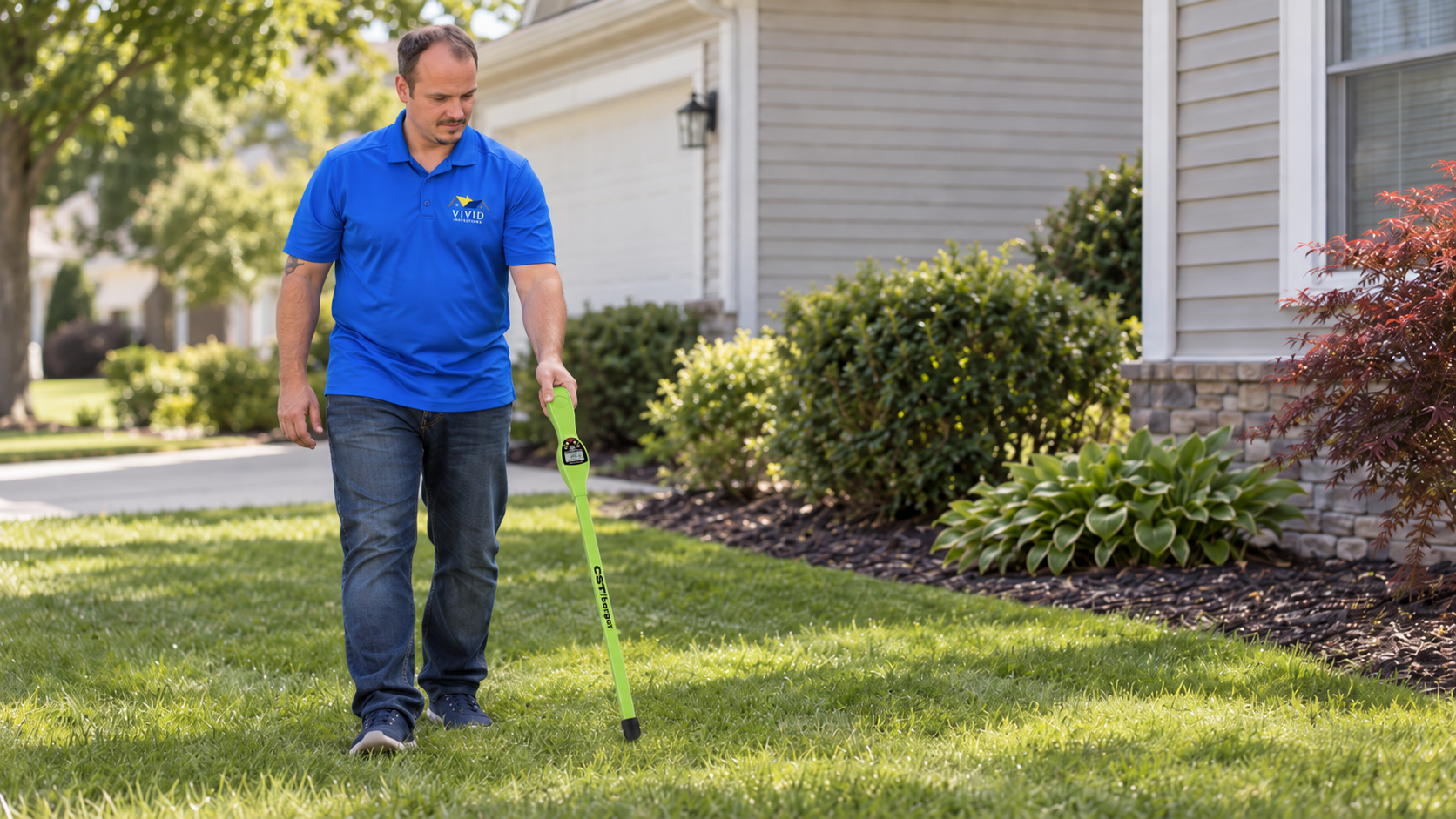
Moisture and radon from the soil (EPA)
Hobby supplies (paints, glues, solvents)
Garage
Vehicle exhaust, pesticides, solvents, and gasoline fumes
How to Improve Indoor Air Quality
Increase Ventilation
Open windows and doors when weather allows.
Use exhaust fans in kitchens and bathrooms.
Consider a mechanical ventilation system to bring in fresh air and filter indoor air.
The EPA recommends ventilation, source control, and filtration as the three main strategies for improving IAQ.
Clean Regularly
Vacuum carpets and upholstery using a HEPA filter.
Dust hard surfaces with a damp cloth.
Wash bedding in hot water to reduce dust mites.
Control Moisture
Use dehumidifiers in damp areas like basements.
Fix leaks promptly and dry water-damaged areas.
Clean mold with a solution of 1 cup bleach to 1 gallon of water.
Inspect and Maintain Systems
HVAC filters should be replaced regularly.
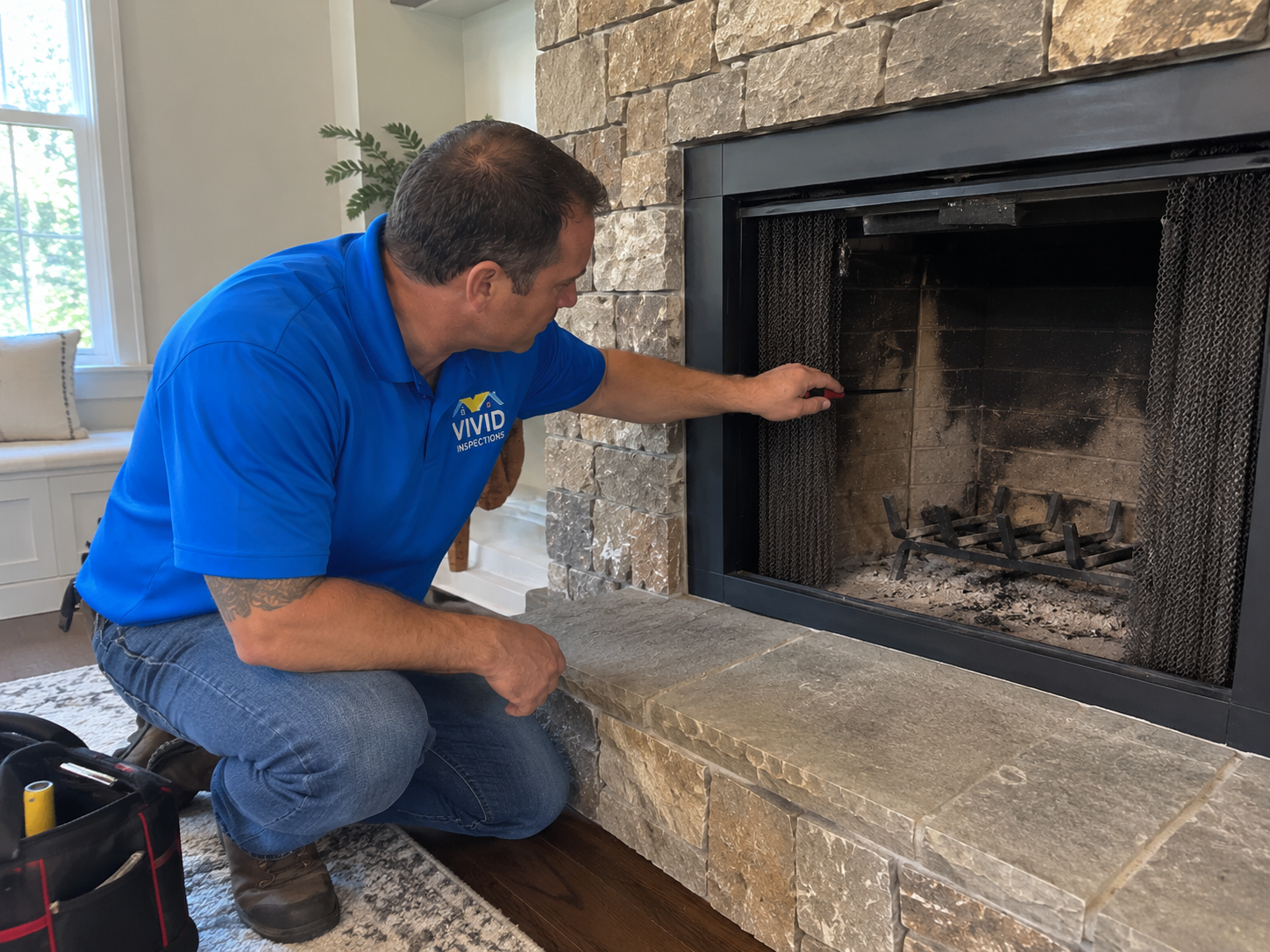
Have chimneys and flues inspected annually.
Ensure gas appliances are properly vented.
Reduce Pollutant Sources
Usen on-toxic, low-VOC products for cleaning and home projects.
Avoid indoor smoking.
Choose solid wood or metal furniture instead of particleboard.
Limit use of air fresheners and aerosols.
Test for Hidden Hazards
Radon testing is essential in many homes, especially in basements (EPA)
Consider a formaldehyde test for new cabinetry or flooring.
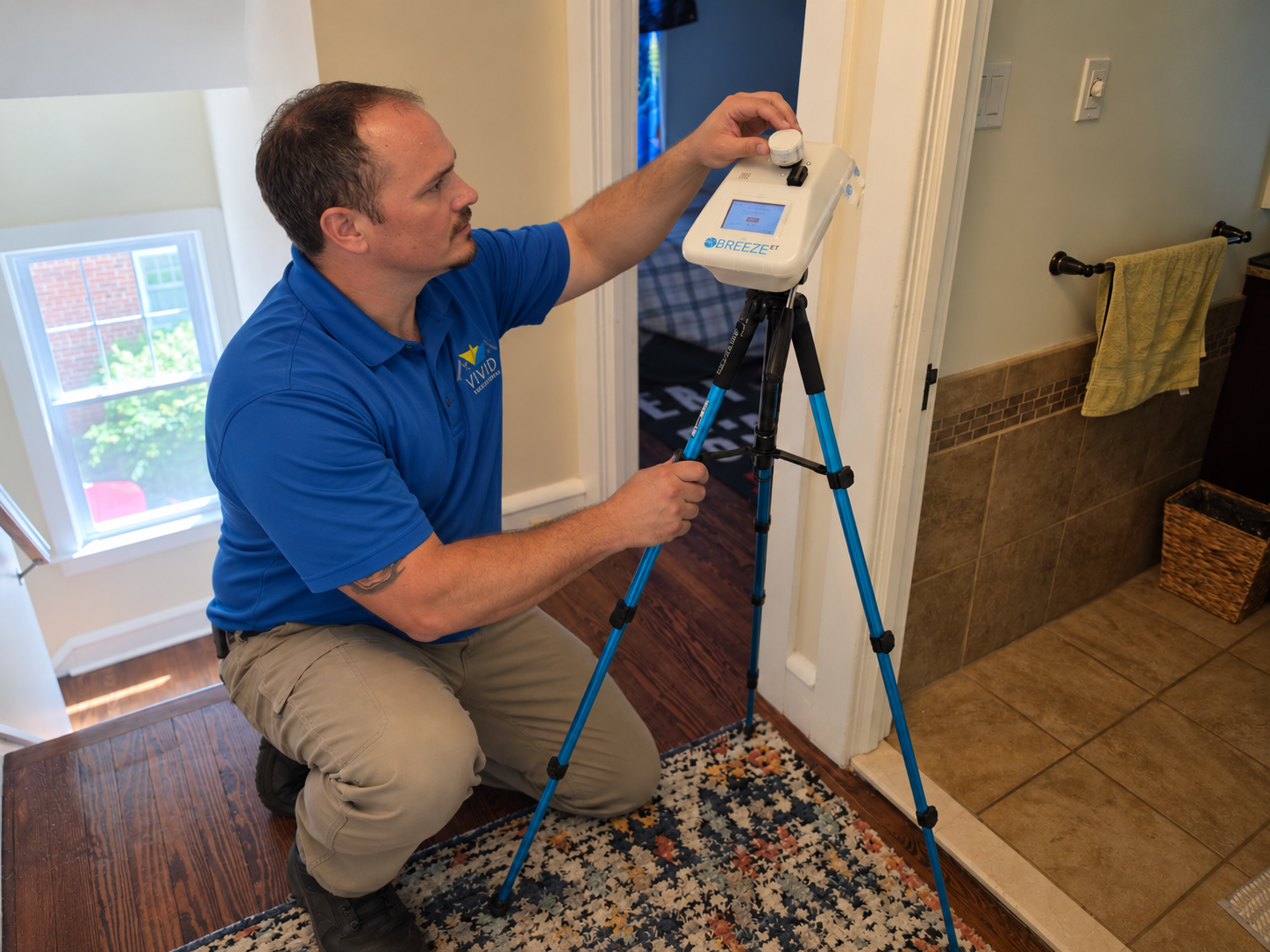
Hire a professional to test for mold or abestos, especially before renovations
Long-Term vs. Immediate Health Effects
Short-Term Effects:
Eye, nose, and throat irritation
Headaches and dizziness
Fatigue
Aggravated asthma or allergies
Long-Term Risks:
Respiratory diseases
Heart disease
Cancer
The EPA and WHO both warn that even if symptoms aren’t felt immediately, prolonged exposure to indoor air pollutants can contribute to serious long-term health effects.
Don't Forget the Detectors
Smoke detectors should be installed in each bedroom or hallway.
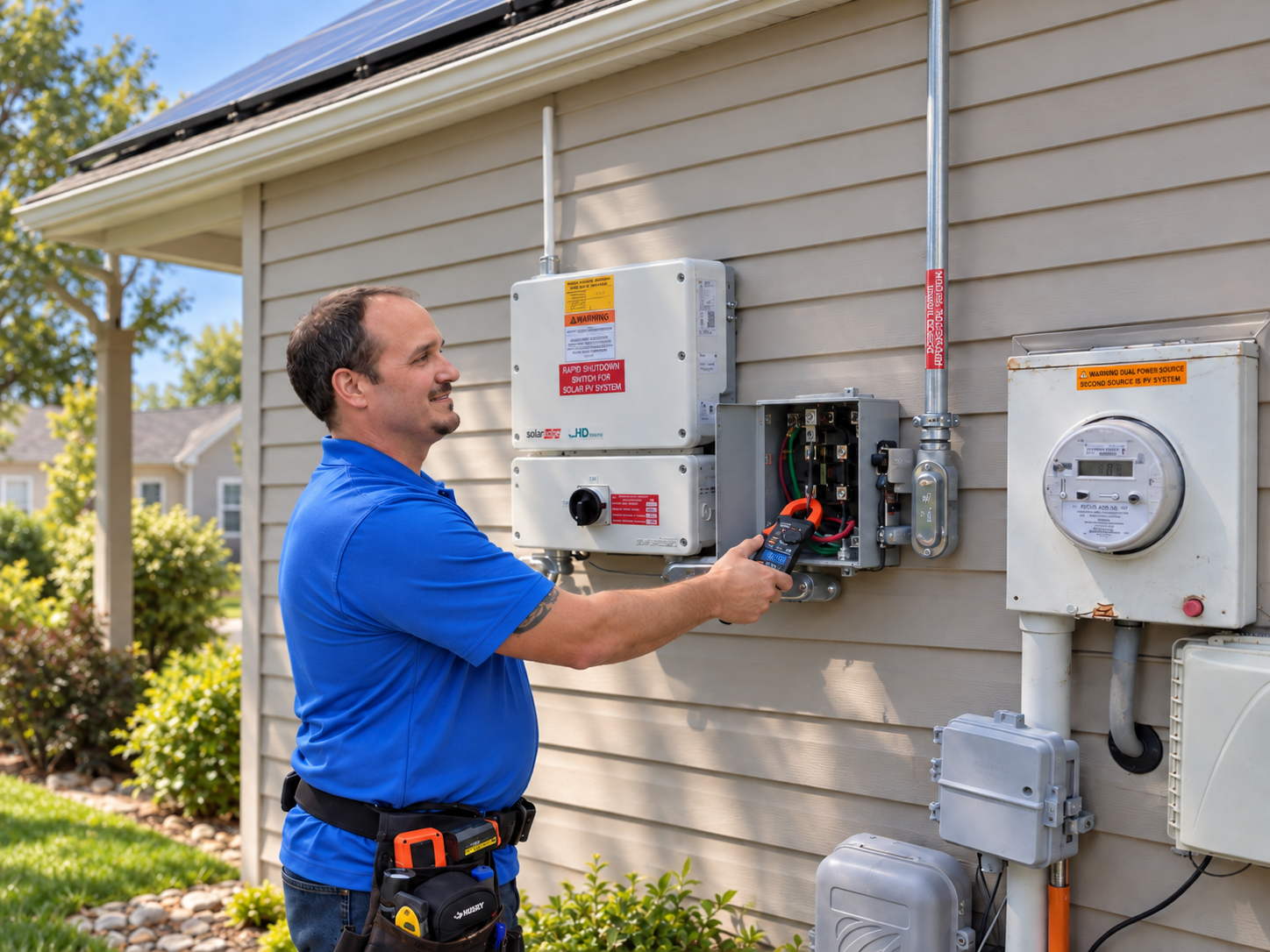
Carbon monoxide detectors are a must in any home with gas appliances.
Test detectors monthly and replace batteries at least once a year
Final Thoughts
Indoor air pollution is often invisible, but its effects are very real. The good news is that improving your home’s air quality is possible with the right awareness, habits, and inspections.
At Vivid Home Inspections, we can help identify the sources of poor air quality and recommend practical, effective solutions to keep your family safe and healthy. Call (609) 277-0808 or visit our online scheduling to set up a home or air quality inspection.

Written by Brian Maute
NJ Licensed Home Inspector & InterNACHI Certified Professional Inspector
Brian Maute provides clear explanations and high-precision inspection reports for homebuyers and owners across South Jersey and Eastern PA.